
Used Car Warranty: Fair Pricing Guide for Smart Car Owners
A used car warranty costs between $1,000 and $4,500 for multi-year coverage, yet the price gap rarely tracks with the protection inside. The same vehicle can carry quotes that differ by 200% from one provider to the next. What separates a fair contract from an overpriced one comes down to three things: covered components, per-claim limits, and the fine-print exclusions buried near the back of the document.
Coverage tiers, deductibles, and labor-rate caps decide whether a contract pays off or drains your wallet. RepairPal pegs the average transmission repair at $2,800 and an engine rebuild near $4,000, so the math matters. This guide breaks down real numbers, regulatory rules, and a quick checklist to judge any offer before signing.
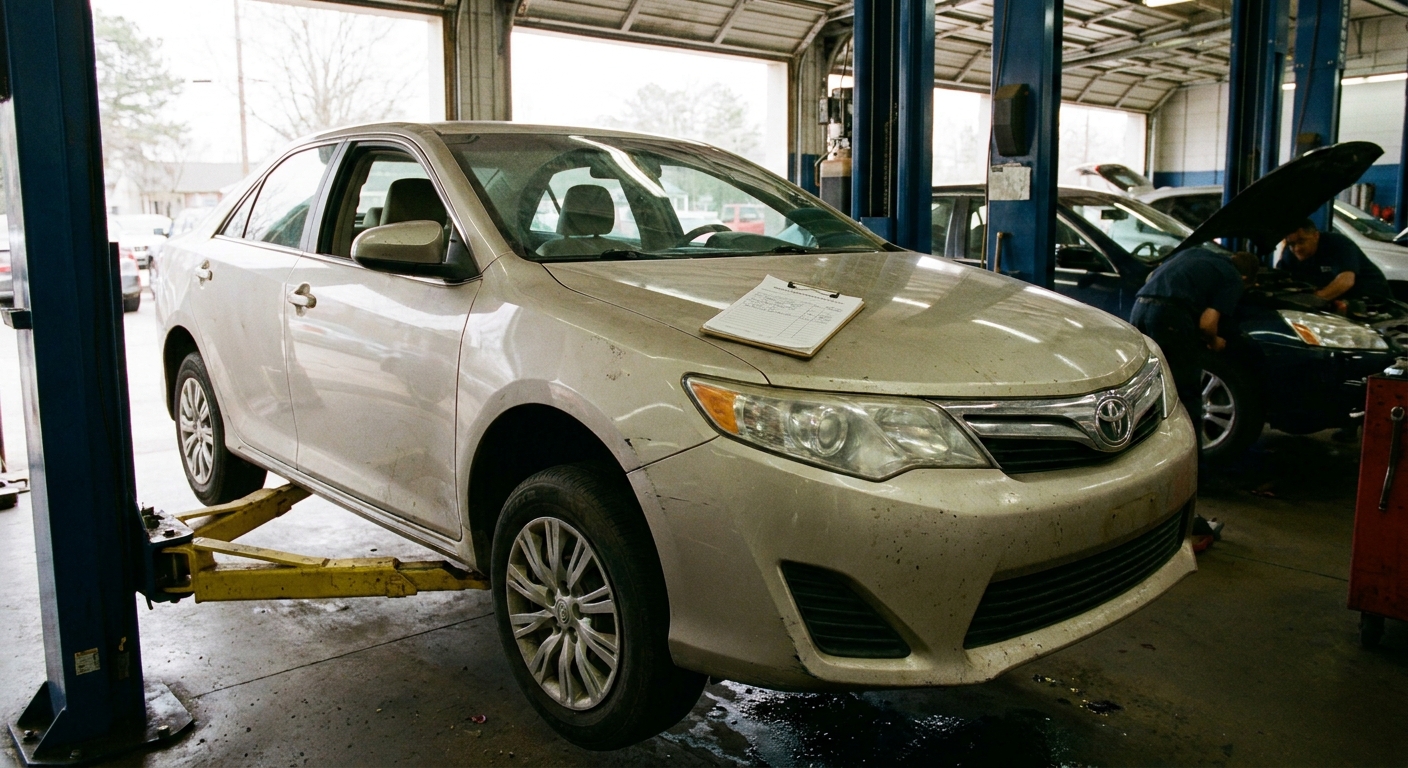
Mechanical Breakdown Coverage Explained Clearly
A used car warranty isn't insurance in the legal sense. Most contracts sold today are vehicle service contracts, regulated at the state level rather than by federal auto rules. That distinction changes your rights when a claim gets denied. Roughly 40 states require service contract providers to register and hold reserve funds, according to consumer protection guidelines tracked by state insurance departments.
What Powertrain Plans Actually Pay
Powertrain plans sit at the cheap end, usually $1,000 to $1,800 for three years. They cover the engine, transmission, and drive axle. Sounds narrow? It is. But those parts also cause teh priciest failures. A transmission swap runs $2,800 on average per RepairPal, so even a basic plan can earn back its cost in one repair.
Bumper-to-Bumper Versus Stated Component
Exclusionary contracts, marketed as bumper-to-bumper, list only what's NOT covered. Inclusionary or stated-component plans list what IS covered, and anything missing from that list gets denied. Read which type you're holding. The exclusionary structure favors the buyer because the burden sits on the provider to prove a part falls outside coverage.
- Wear items like brakes, wiper blades, and tires are almost never covered
- Pre-existing conditions get denied during the claims inspection
- Skipped maintenance voids most contracts instantly
Service Contract Pricing And Cost Drivers
Pricing isn't random. Providers price against repair frequency data and the cost of parts for your specific make. A German luxury sedan can cost three times more to cover than a Toyota with the same mileage. Why? Consumer Reports reliability data shows certain brands generate far more claims per year.
Mileage And Age Multipliers
Vehicles under 60,000 miles get the lowest rates. Cross 100,000 miles and many providers either raise premiums sharply or refuse coverage outright. A five-year-old car with 70,000 miles typically lands a fair quote near $1,500 to $2,500 for a mid-tier plan. Push past 120,000 miles and expect $3,000-plus or a flat decline.
Deductibles And Labor Rate Caps
Here's the insider detail most buyers miss: labor-rate caps. A contract might cap reimbursement at $75 per hour while your dealer charges $150. You eat the difference on every repair. AAA reports average shop labor rates between $90 and $160 nationally in 2026. Always confirm the cap matches local rates. Deductibles range from $0 to $250 per visit, and per-visit beats per-repair when one trip fixes several parts.
Regulatory Rules And Buyer Protections
The federal Used Car Rule from the FTC requires dealers to post a Buyers Guide on every used vehicle, stating whether it sells with a warranty or as-is. That document is legally binding. If the sticker says warranty, the dealer can't backpedal after the sale.
Cancellation And Refund Windows
Most service contracts include a free-look period, often 30 to 60 days, during which a full refund applies if no claim was filed. After that, refunds prorate by time or mileage used. Cancel in writing and keep proof. Some lenders bundle the contract into your loan, which means you keep paying interest on coverage you canceled unless you redirect the refund to principal.
Third-Party Versus Manufacturer Plans
Certified pre-owned warranties from the automaker tend to honor claims at any franchise dealer with factory parts. Third-party administrators may route you to specific shops or reimburse after you pay upfront. Which feels less stressful when your car's already on a lift? Check the claims-payment method before anything else.
Evaluating Any Offer In Three Questions
Skip the sales script. Run every quote through this short checklist. Each question exposes a common trap that costs owners hundreds.
The Three-Question Screen
- Is it exclusionary or stated-component? Exclusionary covers more by default.
- What's the labor-rate cap, and does it match local shop rates near $90 to $160?
- Who pays the shop directly, and is there a free-look refund window?
If a provider dodges any of these, walk away. Honest administrators answer in writing without hesitation.
Action Steps And Common Mistakes
Pull the vehicle's repair history first. Get the contract in full before paying, not a summary brochure. Compare at least three quotes for identical coverage tiers. The biggest mistake? Buying coverage on a reliable model that rarely fails, where the premium outweighs likely repairs. The second? Ignoring maintenance requirements, then losing a claim over a missed oil change. NHTSA recall data also matters: covered recalls get fixed free by the manufacturer, so don't pay a service contract for work the automaker already owes you. For high-value disputes, a licensed attorney or your state insurance regulator handles claim denials far better than the provider's call center.